










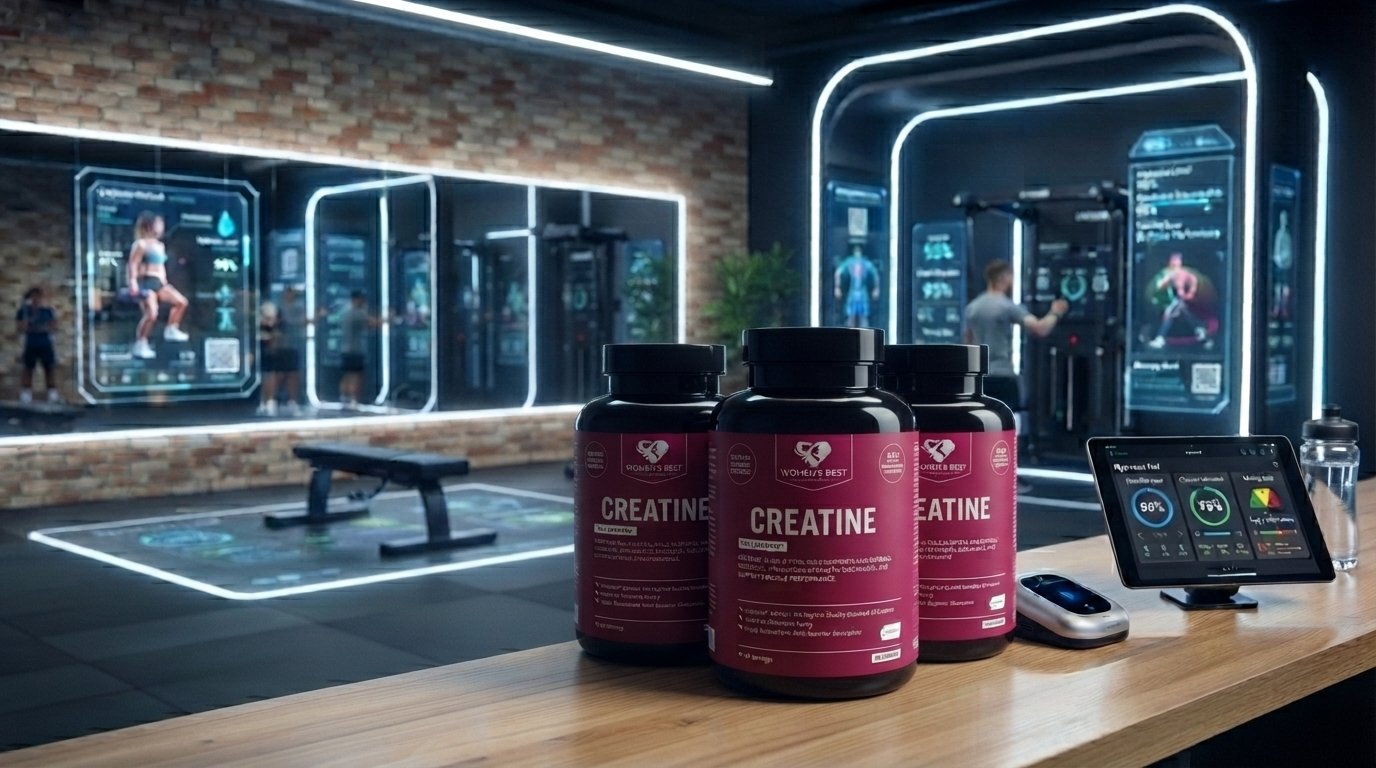
If you have scrolled through fitness content lately, you have probably seen creatine mentioned as a must-have supplement. But is it right for you, and what is the best creatine for women specifically? This guide walks through what the research actually shows, so you can make an informed choice. Because this is a health topic, nothing here replaces advice from your doctor or a registered dietitian.
Creatine has moved far beyond bodybuilding circles. Interest among women has grown quickly, partly because newer studies explore benefits beyond muscle size, including strength, recovery, and possibly brain health. Evidence varies by outcome, though, so let’s separate what is proven from what is still emerging.
What Is the Best Creatine for Women?
Creatine is a natural compound made from three amino acids. Your liver, kidneys, and pancreas produce it, and your body stores most of it in muscle tissue. A typical diet supplies roughly 1 to 2 grams a day, mainly from red meat and seafood, according to Mayo Clinic.
When people ask about the best creatine for women, researchers and clinicians consistently point to one answer: creatine monohydrate. It is the most studied form, with decades of clinical trials behind it. The International Society of Sports Nutrition and other expert groups continue to recommend it over newer, less-tested alternatives like creatine HCl or buffered creatine, because monohydrate has the strongest track record for both safety and effectiveness.
Some women switch to creatine HCl if they experience mild stomach upset with monohydrate. However, current evidence does not show that HCl works better; it simply dissolves more easily in water.
How Creatine Works in the Body
Muscles rely on a molecule called ATP for quick bursts of energy. Creatine helps regenerate ATP faster during short, intense efforts, such as lifting weights or sprinting, which supports strength and power output during resistance training.
Small amounts of creatine are also stored in the brain, where it plays a role in cellular energy use. Researchers are still working out how this connects to cognitive benefits, but the mechanism gives the research a reasonable biological basis.
Benefits of Creatine for Women
The strongest evidence supports these benefits:
- Increased strength and lean muscle mass. Multiple studies and systematic reviews show that creatine, combined with resistance training, improves strength and lean body mass in women more than training alone.
- Faster recovery between workouts. Because creatine helps replenish energy stores, many women notice they can train harder with shorter rest periods.
- No significant fat or “bulky” weight gain. Research consistently shows that any early weight change reflects water stored in muscle cells, not fat gain, and this effect typically levels off over time.
Emerging, but not yet conclusive, areas of research include:
- Cognitive support. Some studies suggest creatine may help with memory, focus, and mental performance, particularly during sleep deprivation or stress. However, this research is still developing, and results are not consistent across all populations.
- Mood support. A few clinical trials have explored creatine as an add-on to standard depression treatment in women, with promising but preliminary results. This is not a substitute for prescribed therapy or medication.
- Menopause-related muscle and bone health. Postmenopausal women lose muscle mass and bone density more quickly due to declining estrogen. A 2025 systematic review found that creatine, especially alongside resistance training, may help preserve lean mass and physical function during this life stage. A separate two-year randomized trial found creatine did not significantly increase bone density, though it improved bone bending strength and walking speed. Researchers describe the bone-related findings as mixed rather than settled.
Research on reproductive health and creatine remains limited, so avoid drawing firm conclusions until larger studies confirm early findings.
Risks and Side Effects to Know
For most healthy adults, creatine monohydrate has a well-documented safety profile at recommended doses. Mayo Clinic notes that current research on healthy individuals has not found that creatine harms kidney function when used appropriately.
Still, some people experience mild side effects, including:
- Temporary water retention or bloating
- Stomach discomfort, especially at higher doses
- Muscle cramping in rare cases
People with existing kidney disease, liver conditions, or those taking medications that affect kidney function should talk with a healthcare provider before starting creatine. Research in these populations remains limited, so caution is warranted. Pregnant or breastfeeding women should also consult a doctor first, since safety data in these groups is still developing.
If you ever notice severe muscle pain paired with unusually dark urine, seek medical care promptly, as this combination can signal a rare but serious muscle condition.
How to Choose the Best Creatine for Women
Because supplements are not reviewed by the FDA before they reach the market the way medications are, quality can vary between brands. When comparing products, look for these markers of trustworthiness:
- Creatine monohydrate as the primary, and ideally only, active ingredient.
- Third-party testing, such as NSF Certified for Sport or Informed Choice. These programs verify that a product contains what the label claims and screen for contaminants.
- No unnecessary additives, particularly proprietary blends that hide exact dosages.
- Transparent sourcing, since some manufacturers use pharmaceutical-grade creatine, like Creapure, which undergoes stricter purity testing.
Because certification confirms purity and label accuracy rather than effectiveness, it is still worth choosing a well-researched form like monohydrate first, then narrowing down by testing standards.
How Much Creatine Should Women Take?
Most clinical research uses a daily dose of 3 to 5 grams of creatine monohydrate. According to reporting on expert guidelines, this amount appears effective and well tolerated for most healthy adults. Some protocols include a short loading phase of about 20 grams per day, split into smaller doses, for five to seven days. This is not required; taking a consistent 3 to 5 gram dose daily works too, though it builds up muscle stores more gradually.
Timing does not appear to matter much. Consistency matters more, so many women simply take it at the same time each day, such as alongside a meal.
Because certain postmenopausal research has used slightly higher doses, some clinicians suggest older women may benefit from doses toward the higher end of the typical range. Still, individual needs vary, so check with a healthcare provider before increasing your dose significantly.
Lifestyle Tips for Getting the Most from Creatine
- Pair creatine with regular resistance training for the clearest strength and muscle benefits.
- Stay well hydrated, since creatine draws water into muscle cells.
- Skip the loading phase if you prefer a gentler start; the end result is similar over time.
- Combine creatine with a balanced diet instead of using it to replace protein or other nutrients.
- Give it time. Strength and body composition changes usually take several weeks of consistent use.
When to See a Doctor
Consult a healthcare provider before starting creatine if you:
- Have kidney disease, liver disease, or a related chronic condition
- Take medications that affect kidney function
- Are pregnant, breastfeeding, or trying to conceive
- Are under 18
- Experience persistent side effects, such as ongoing digestive discomfort
A doctor can also help rule out other causes of fatigue or low strength before you start any supplement.
Comparison Table: Common Creatine Forms

| Form | Research Support | Typical Dose | Notes |
|---|---|---|---|
| Creatine monohydrate | Extensive, decades of trials | 3–5 g/day | Considered the gold standard; most affordable |
| Creatine HCl | Limited compared to monohydrate | 1–2 g/day | May dissolve more easily; not proven superior |
| Buffered creatine | Limited | Varies | Marketed as gentler; evidence does not show added benefit |
| Creatine gummies/other novel forms | Very limited | Varies | Often lower dose per serving; check label carefully |
Pros and Cons of Creatine for Women
Pros
- Backed by extensive research on strength and lean mass
- Generally well tolerated in healthy adults
- Affordable compared to many other supplements
- Growing evidence for benefits during menopause when paired with training
Cons
- Some people experience bloating or mild stomach upset
- Research on pregnancy, reproductive health, and long-term cognitive effects is still limited
- Not appropriate for everyone, particularly those with kidney or liver conditions
- Requires consistent use and resistance training to see meaningful results
Common Myths vs Facts
Myth: Creatine causes women to “bulk up.” Fact: Research does not support significant fat gain, and visible muscle “bulk” typically requires a dedicated, intensive training and eating strategy that goes well beyond typical creatine use.
Myth: Creatine damages the kidneys in healthy people. Fact: Current evidence in healthy individuals has not shown that recommended doses harm kidney function. People with existing kidney disease should still check with a doctor first.
ALSO READ: What Is Charlie Health? A Complete Guide to Virtual Mental Health Care
Myth: Creatine is only useful for athletes. Fact: Interest has expanded to include recreational exercisers, older adults, and those interested in general healthy aging, though benefits are strongest when paired with resistance training.
Latest Research on Creatine and Women’s Health
A 2025 narrative review in the Journal of the International Society of Sports Nutrition examined creatine across menstruation, pregnancy, and menopause. It found that hormonal fluctuations may influence how women metabolize creatine, and it called for more female-specific research, since most historical studies focused on male athletes.
A separate 2025 systematic review on postmenopausal women found potential benefits for lean mass and physical function. However, effects on bone mineral density remain uncertain and need longer trials to confirm. This is an active research area, so guidelines may evolve as new evidence emerges.
Conclusion
So, what is the best creatine for women based on current evidence? Creatine monohydrate, taken at 3 to 5 grams daily and combined with resistance training, has the strongest research support for strength, lean mass, and recovery. Other benefits, including cognitive and menopause-related effects, look promising but need more research before they can be considered proven. As always, check with a healthcare professional before starting any new supplement, especially if you have an existing health condition or are pregnant or breastfeeding
FAQs
Is creatine safe for women to take daily?
For most healthy adults, daily use at 3 to 5 grams appears safe based on current research. Anyone with kidney, liver, or other chronic conditions should check with a doctor first.
Will creatine make me gain weight?
You may notice a small, temporary increase from water retention in muscle. Research does not show that creatine causes fat gain.
What is the best creatine for women who are new to supplements?
Creatine monohydrate remains the most researched and recommended starting point, ideally from a third-party tested brand.
Can I take creatine without lifting weights?
Yes, but the clearest strength and muscle benefits appear when creatine is combined with resistance training.
Is creatine safe during pregnancy?
Evidence in pregnant women is still limited. Speak with your obstetrician before using creatine if you are pregnant, trying to conceive, or breastfeeding.
Does age change how much creatine I need?
Some research on postmenopausal women uses slightly higher doses, but individual needs vary. A healthcare provider can help you decide what fits your situation.
For more updates visit: HEALTH BLOOM







Discussion about this post