











Modern life can make it difficult to slow down. Work, school, household tasks, social media and constant notifications can keep your mind active even when you finally have time to yourself. Learning how to relax at home can help you create a calmer routine without needing expensive treatments or a complicated schedule.
Your home can become a comfortable place to recover from a busy day. Small changes such as reducing noise, taking a warm shower, reading a book or spending a few quiet minutes away from your phone can make a noticeable difference.
The key is to find activities that help your mind and body move from a busy state into a more peaceful one. You do not need to spend hours relaxing. Even short periods of genuine rest can help you feel more refreshed.
Create a Calm Space at Home
Your surroundings can influence how easily you relax. A room filled with clutter, bright screens and constant noise may make it harder to switch off after a long day.
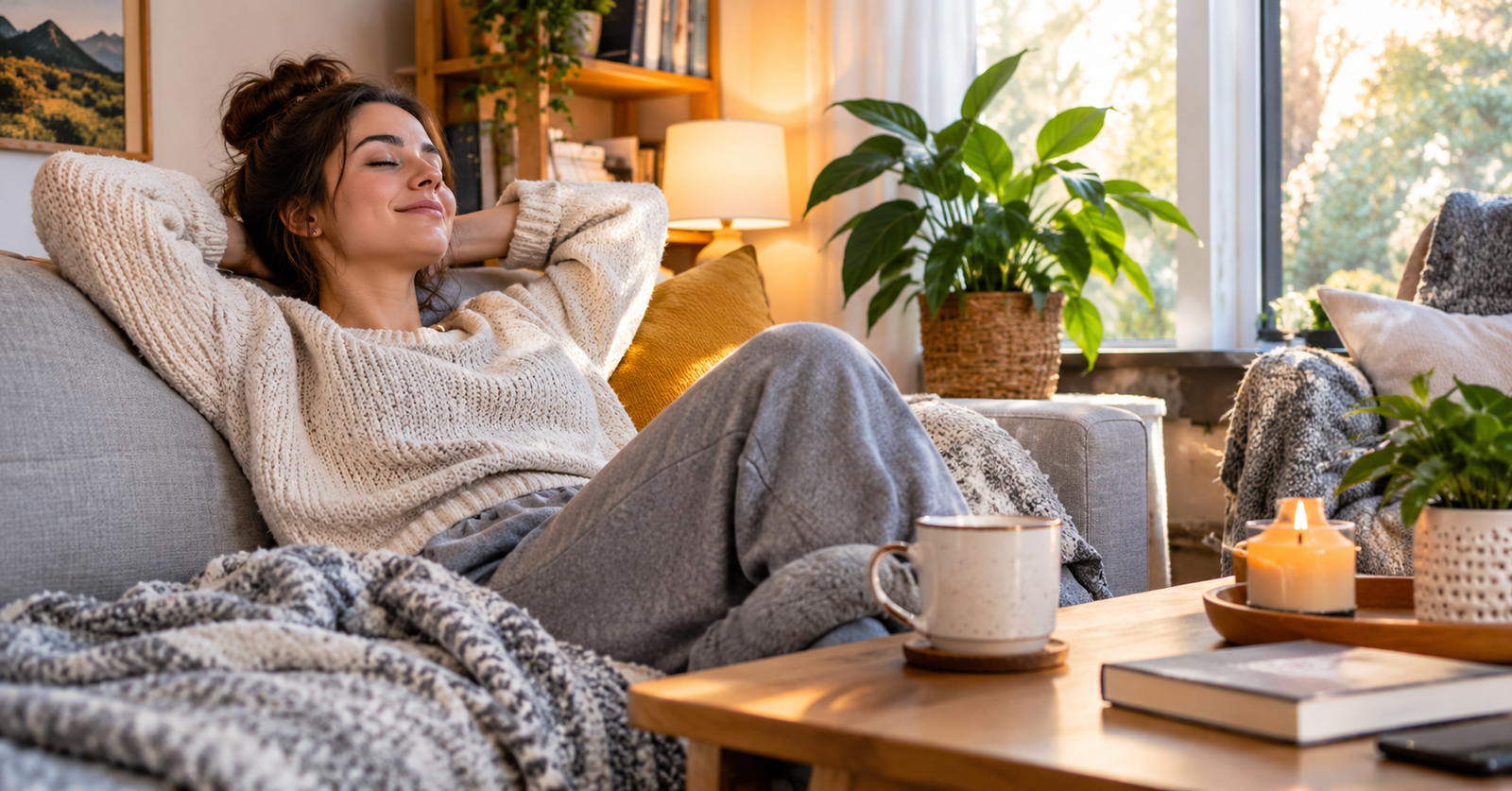
Start by creating one comfortable area where you can sit, read, listen to quiet music or simply do nothing for a while. Keep the space reasonably tidy and choose comfortable lighting that feels relaxing in the evening.
You can also open a window for fresh air or adjust the temperature to make the room more comfortable. The goal is not to create a perfect home. Instead, create an environment that signals to your brain that it is time to slow down.
Take a Break From Your Phone
Phones are useful, but constant notifications can make relaxation surprisingly difficult. Checking messages, social media and news repeatedly keeps your attention moving from one thing to another.
Try putting your phone away for a short period when you want to relax at home. You could leave it in another room while you read, have a bath or listen to music.
A short digital break can give your mind space to focus on the present moment. You do not have to avoid technology completely. The important thing is to make some time when you are not expected to respond to anything.
Try Slow Breathing
Slow, comfortable breathing is one of the simplest ways to create a calmer moment. When you feel tense, your breathing may become quicker or shallower without you noticing.
Sit somewhere comfortable and focus on taking gentle breaths. Allow your breathing to become slower naturally rather than forcing yourself to take very deep breaths.
Spend a few minutes paying attention to each breath. If your thoughts wander, simply notice it and return your attention to your breathing. This can become a useful part of an evening relaxation routine.
Enjoy a Warm Shower or Bath
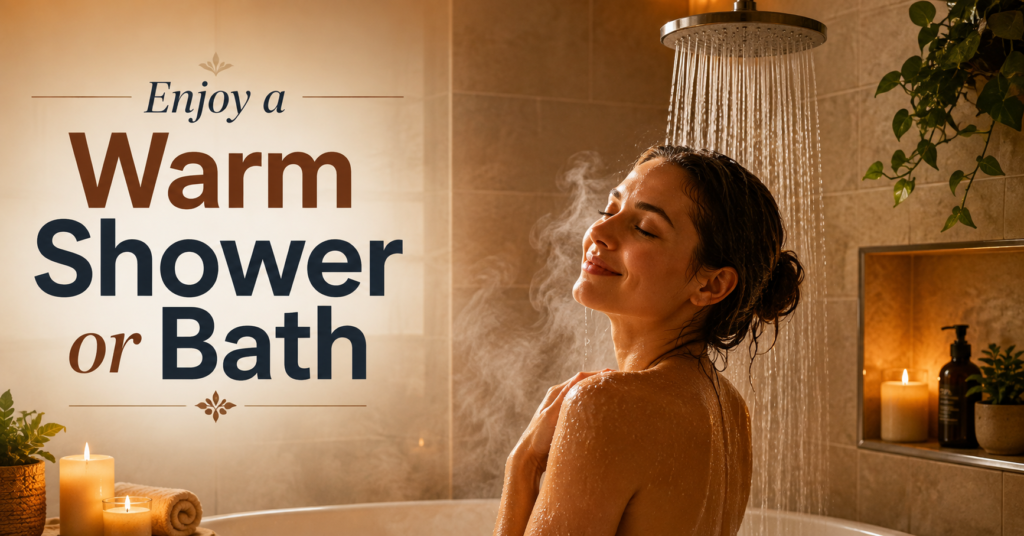
A warm shower can be a simple way to separate the busy part of your day from your time at home. The warmth can feel comforting, while the quiet time gives you an opportunity to slow down.
Instead of rushing through your shower, use those few minutes as a chance to step away from work, study or other responsibilities. Put your phone aside and focus on the experience.
If you prefer baths, you can make the experience more relaxing by keeping the room comfortable and choosing a quiet activity such as listening to gentle music.
Read Something You Enjoy
Reading is another effective way to relax at home. A novel, magazine or other enjoyable book can give your attention somewhere peaceful to settle.
Choose something that you genuinely enjoy rather than something you feel you should read. Fiction can be particularly useful when you want to take your mind away from everyday responsibilities.
Even reading for fifteen or twenty minutes before bed can create a useful transition between an active day and a quieter evening.
Listen to Music
Music can quickly change the atmosphere of a room. When you want to relax, choose music that feels peaceful rather than something that keeps you highly energised.
You could listen while sitting comfortably, preparing a drink or doing light household tasks. Some people prefer instrumental music, while others find familiar songs more comforting.
The important thing is to choose sounds that help you feel comfortable. There is no single type of music that works for everyone.
Spend Time With a Hobby
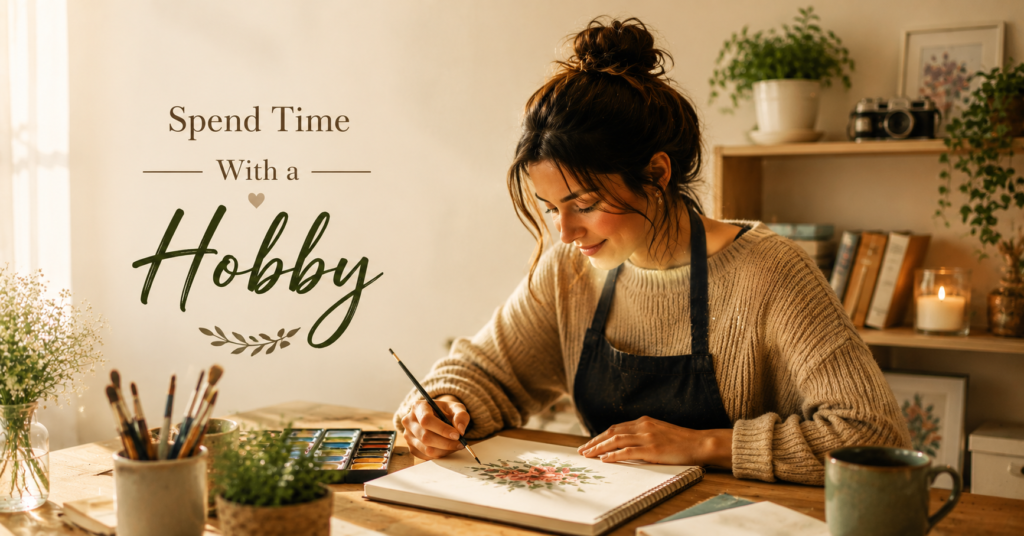
Relaxation does not always mean sitting completely still. A hobby can help you concentrate on something enjoyable while taking your attention away from everyday worries.
Drawing, cooking, gardening, writing, puzzles, photography, crafts and playing an instrument can all provide a satisfying break from routine.
Choose an activity because you enjoy it, not because you need to become exceptionally good at it. Relaxation becomes easier when there is no pressure to perform.
Make a Warm Drink
Preparing a warm drink can become a simple evening ritual. Tea, herbal drinks or warm milk can provide a comforting pause during a busy day.
Take your time while preparing the drink and sit somewhere comfortable instead of immediately returning to work or scrolling through your phone.
The ritual itself can be as valuable as the drink. Creating small moments of calm throughout the day can make relaxation feel more natural.
Try Gentle Movement
Relaxing at home does not always require complete inactivity. Gentle movement can help you release some of the tension that builds up when you spend a long time sitting.
Try some light stretching, slow yoga movements or an easy walk around your home or garden. Keep the movement comfortable and avoid turning relaxation into an intense workout.
A few minutes of gentle movement can also provide a useful break if you have been working at a desk for several hours.
Practise Mindful Relaxation
Mindfulness means paying attention to what is happening in the present moment instead of constantly thinking about the past or future.
You can practise it while sitting quietly, drinking tea, showering or listening to music. Focus on what you can see, hear and feel rather than trying to force your mind to become completely empty.
It is normal for thoughts to appear. Relaxation does not require you to stop thinking altogether. Instead, you can notice distracting thoughts and gently bring your attention back to what you are doing.
Build an Evening Relaxation Routine
Knowing how to relax at home becomes easier when you create a routine. Your mind can gradually learn that certain activities signal the end of the busy part of the day.
For example, you might finish your main responsibilities, tidy your room, take a warm shower, prepare a drink and spend some quiet time reading. The routine does not need to be complicated.
Try to keep your evenings reasonably consistent. A predictable wind-down period can make it easier to move from daytime activity towards rest.
Make Your Bedroom More Relaxing
Your bedroom should feel comfortable and peaceful, especially if you use it as part of your bedtime routine. Strong lights, loud sounds and excessive screen use can make it harder to settle down.
Keep the room comfortable and reduce unnecessary distractions when you are preparing for sleep. A quieter environment can help you associate your bedroom with rest.
Avoid turning your bed into a place where you spend hours working or dealing with stressful tasks whenever possible. Creating a clear separation between work and rest can support a healthier routine.
Know When You Need a Better Balance
Relaxation is important, but it should not become a way to avoid every responsibility. The aim is to give yourself enough recovery time so you can return to daily activities feeling more prepared.
If you regularly feel overwhelmed, persistently low or unable to cope with everyday life, talking to someone you trust can be helpful. A healthcare professional can also provide appropriate guidance when stress or emotional difficulties become difficult to manage.
You do not have to handle everything alone. Asking for support is a sensible part of taking care of yourself.
Conclusion
Learning how to relax at home does not require expensive products, complicated techniques or a large amount of free time. Simple habits such as taking a warm shower, reading, listening to music, breathing slowly and taking breaks from your phone can create valuable moments of calm.
The most effective approach is to choose activities that genuinely make you feel comfortable and repeat them regularly. Your home can become more than a place where you complete daily responsibilities. With a few thoughtful changes, it can also become a place where you slow down, recharge and enjoy some peaceful time.
FAQs
What is the easiest way to relax at home?
One of the easiest ways to relax at home is to find a quiet and comfortable place, put your phone away and spend a few minutes doing something you enjoy. Reading, listening to calm music or practising slow breathing can be simple options.
How can I relax quickly after a stressful day?
Start by removing unnecessary stimulation. Put your phone aside, change into comfortable clothes, take a warm shower and spend a few quiet minutes breathing slowly. A short period of uninterrupted calm can help you transition away from a busy day.
How can I relax at home without spending money?
There are many free ways to relax at home. You can read a book you already own, listen to music, stretch gently, sit quietly, practise mindful breathing or spend time in your garden if you have one.
Does listening to music help you relax?
Music can be relaxing when you choose sounds that make you feel comfortable. Quiet or familiar music may help create a peaceful atmosphere, although different types of music work for different people.
How can I relax my mind at night?
Create a simple wind-down routine before bed. Reduce screen time, lower bright lighting, take a warm shower, read something enjoyable and give yourself time to slow down before trying to sleep.
Can cleaning help you relax at home?
Light tidying can help some people feel more comfortable because an organised space may feel less distracting. However, cleaning should not become another source of pressure. Keep it simple and stop when the space feels comfortable enough.
For more updates visit: HEALTH BLOOM








Discussion about this post