













Better health does not require a perfect lifestyle. Small changes can make a real difference over time. The key is to build habits that support your body and mind every day.
A healthy lifestyle includes more than food and exercise. Sleep, stress, movement, hydration and social connections also matter. When these areas work together, they can support overall health and wellbeing.
The good news is that you do not need to change everything at once. Start with one or two realistic habits. Then build from there as they become easier to maintain.
What Does Better Health Mean?
Better health means supporting your physical and mental wellbeing through everyday choices. It does not mean avoiding every unhealthy food or exercising every day.
Health can look different for each person. Age, lifestyle, work, family responsibilities and existing health needs can all affect what works best.
A useful approach is to focus on sustainable habits. These habits should fit your daily routine rather than make life harder. Consistency often matters more than short periods of extreme effort.
Eat a Balanced Diet
Food plays an important role in supporting better health. A balanced diet gives your body the nutrients it needs for energy, growth and normal body functions.
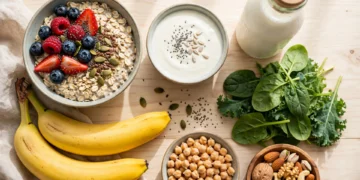
Try to include a variety of fruits, vegetables, whole grains, protein sources and healthy fats. Different foods provide different nutrients, so variety can help you maintain a balanced eating pattern.
It also helps to pay attention to highly processed foods, sugary drinks and foods that are high in salt or saturated fat. You do not necessarily need to remove them completely. Instead, aim for a balanced overall diet.
Choose Nutrient-Rich Foods
Nutrient-rich foods can provide vitamins, minerals, fibre and other useful nutrients without relying heavily on added sugar or excess calories.
Vegetables, fruit, beans, lentils, whole grains, nuts, seeds, eggs, fish and other protein sources can all fit into a healthy eating pattern.
Portion sizes also matter. Eating slowly and paying attention to hunger and fullness can make it easier to develop a healthier relationship with food.
Stay Physically Active
Regular movement is another important part of better health. Physical activity can support cardiovascular health, muscle strength, mobility and general fitness.
You do not have to join a gym to become more active. Walking, cycling, swimming, dancing, gardening and household activities can all add movement to your day.
If you currently do very little exercise, start gradually. A short daily walk can be a useful first step. Over time, you can increase the duration or intensity as your fitness improves.
Reduce Long Periods of Sitting
Modern routines often involve sitting for long periods. Working at a desk, watching television or spending time on a computer can reduce daily movement.
Try to break up long periods of sitting when possible. Stand up, walk around the room or take a short break from your screen.
Small changes can add more movement without requiring a complete change to your schedule.
Make Sleep a Priority
Good sleep is an important part of overall wellbeing. Your body and mind need enough rest to function properly.
A consistent sleep routine can make it easier to get better-quality rest. Going to bed and waking up around the same time each day may help establish a regular pattern.
Your evening habits can also affect sleep. Consider reducing screen use before bed and creating a calm environment that supports relaxation.
If you regularly struggle with sleep or feel extremely tired during the day, consider discussing the problem with a healthcare professional.
Manage Everyday Stress
Stress is a normal part of life, but ongoing stress can affect how you feel and function. Finding healthy ways to manage it can support better health.
Simple activities may help you relax. Walking outdoors, reading, listening to music, spending time with friends or practising breathing exercises can create useful breaks during a busy day.
It is also helpful to recognise when stress becomes difficult to manage. Persistent feelings of anxiety, low mood or emotional distress deserve attention rather than being ignored.
Look After Your Mental Wellbeing
Mental wellbeing is an important part of health. Looking after your mind can involve maintaining relationships, making time for enjoyable activities and setting reasonable boundaries.
Social connections can also provide emotional support. Talking with someone you trust may help when life feels difficult.
At the same time, professional support can be valuable when problems continue or begin to affect everyday life. Seeking help is a practical step towards improving wellbeing.
Drink Enough Fluids
Hydration supports normal body functions. Water is a simple choice for staying hydrated throughout the day.
Your fluid needs can vary depending on factors such as activity, weather and individual circumstances. You may need more fluids when you exercise or spend time in hot conditions.
Keeping water nearby can make drinking regularly easier. You can also get some fluids through foods such as fruit and vegetables.
Avoid Harmful Habits
Some habits can work against your health goals. Smoking, excessive alcohol use and prolonged inactivity can increase health risks.
If you smoke, stopping can provide significant health benefits. Support from healthcare professionals and recognised stop-smoking services can make the process easier.
Alcohol can also affect physical and mental wellbeing when consumed excessively. Reducing intake may be one useful part of a healthier lifestyle.
Keep Up With Preventive Healthcare
Better health is not only about lifestyle choices. Regular healthcare can help identify problems early and provide appropriate support.
Attend recommended health checks and screenings when they apply to you. Keep track of vaccinations, dental care and other routine appointments.
If you notice a new, persistent or worrying symptom, do not rely only on lifestyle changes. Speak with a qualified healthcare professional for appropriate advice.
Build Healthy Habits Gradually
One of the biggest mistakes people make is trying to change everything at once. A strict plan may work for a short period but become difficult to maintain.
Instead, choose a small habit that feels realistic. You might start with a daily walk, an earlier bedtime or adding more vegetables to one meal.
Once that habit becomes normal, introduce another change. This gradual approach can make a healthier lifestyle feel more manageable.
How to Make Better Health Part of Daily Life
Healthy choices become easier when they fit naturally into your routine. Keep healthy foods available at home and plan simple meals when possible.
You can also connect new habits to routines you already follow. For example, take a short walk after lunch or prepare tomorrow’s breakfast in the evening.
Remember that occasional setbacks are normal. Missing a workout or eating an unhealthy meal does not erase your progress. Simply return to your usual routine at the next opportunity.
Conclusion
Better health comes from many small choices rather than one perfect solution. Balanced nutrition, regular movement, quality sleep and stress management can all contribute to overall wellbeing.
You can also support your health by avoiding harmful habits, maintaining social connections and using preventive healthcare.
Start with changes that feel realistic for your lifestyle. Over time, consistent habits can help you create a healthier and more sustainable routine.
FAQs
What is better health?
Better health means supporting your physical and mental wellbeing through healthy daily habits. It can include balanced nutrition, regular movement, good sleep, stress management and appropriate healthcare.
How can I improve my health naturally?
Focus on basic habits such as eating a balanced diet, staying active, getting enough sleep, drinking fluids and managing stress. Small changes can become meaningful when you maintain them consistently.
What is the most important healthy habit?
There is no single habit that works for everyone. A combination of nutritious food, regular activity, sufficient sleep and good mental wellbeing can provide a strong foundation for a healthy lifestyle.
How much exercise do I need for better health?
Your ideal activity level depends on your age, fitness and health circumstances. Start with manageable movement and gradually increase your activity if appropriate.
Can better health improve mental wellbeing?
Healthy lifestyle habits can support mental wellbeing. Physical activity, adequate sleep, balanced nutrition and social connection can all play a role in how you feel.
Why is sleep important for health?
Sleep gives your body time to rest and recover. Good sleep also supports daily energy, concentration and emotional wellbeing.
For more updates visit: HEALTH BLOOM










Discussion about this post