








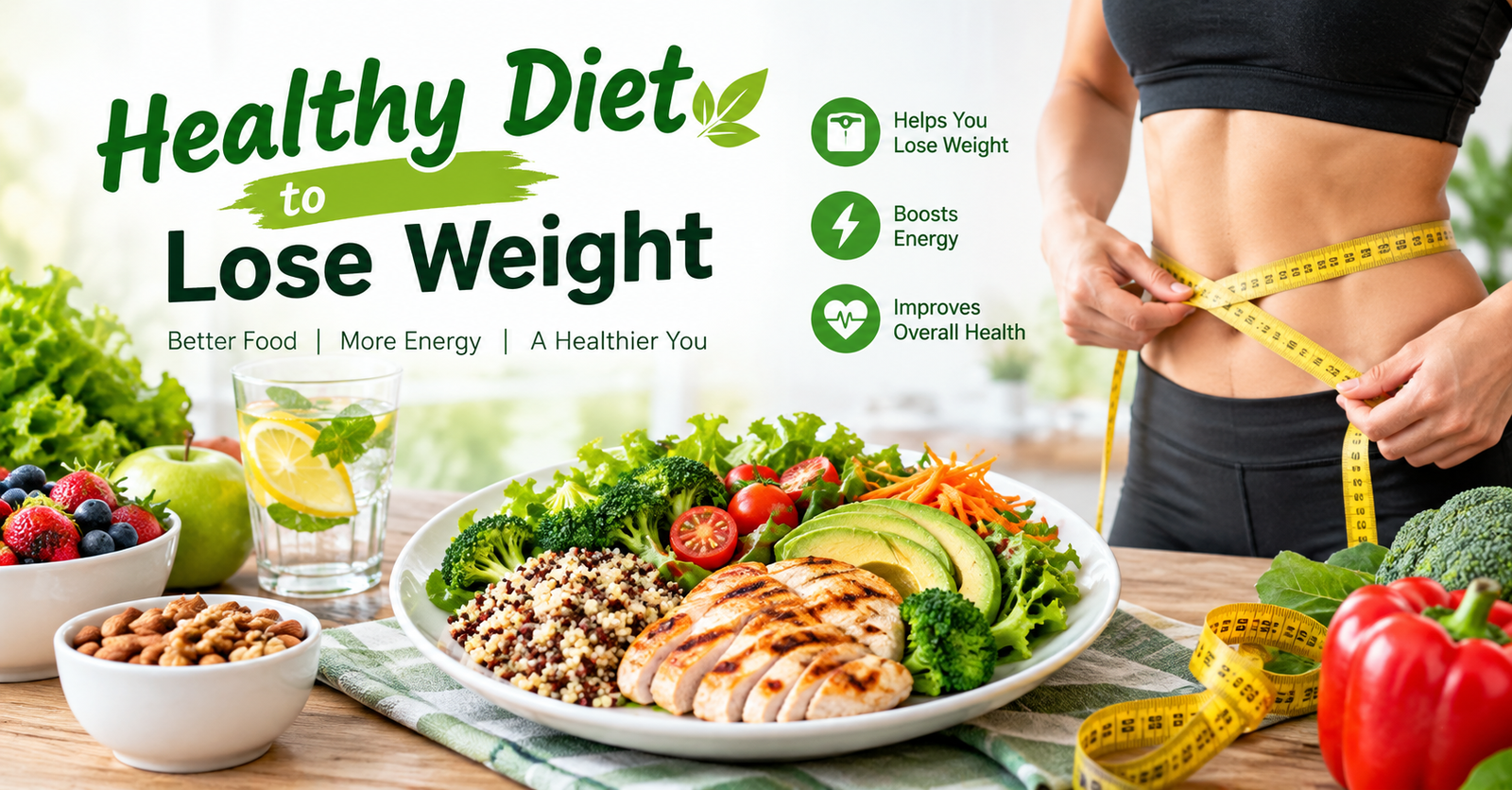
A healthy diet to lose weight does not mean surviving on salads, skipping meals or giving up every food you enjoy. The most effective approach is to eat balanced, satisfying meals that help you manage your weight while providing the energy and nutrients your body needs.
For many people in the UK, successful weight loss comes down to making everyday meals more balanced, understanding portions and choosing habits that are realistic to maintain. Whether you cook at home, buy lunch at work or enjoy a Sunday roast, small improvements can make a meaningful difference.
What Is a Healthy Diet to Lose Weight?
A healthy diet to lose weight combines nutritious foods with an appropriate amount of energy for your body. It focuses on vegetables, fruit, wholegrain carbohydrates, protein-rich foods and healthier fats rather than relying on restrictive rules.
Weight loss generally happens when you consistently use more energy than you consume. However, the quality of your food matters too. Meals that contain protein, fibre and a variety of nutrients can help you feel satisfied and make healthy eating easier to maintain.
The goal is not to eat as little as possible. It is to create a balanced eating pattern that supports gradual progress without leaving you constantly hungry or exhausted.
Build Balanced Meals for Better Weight Loss
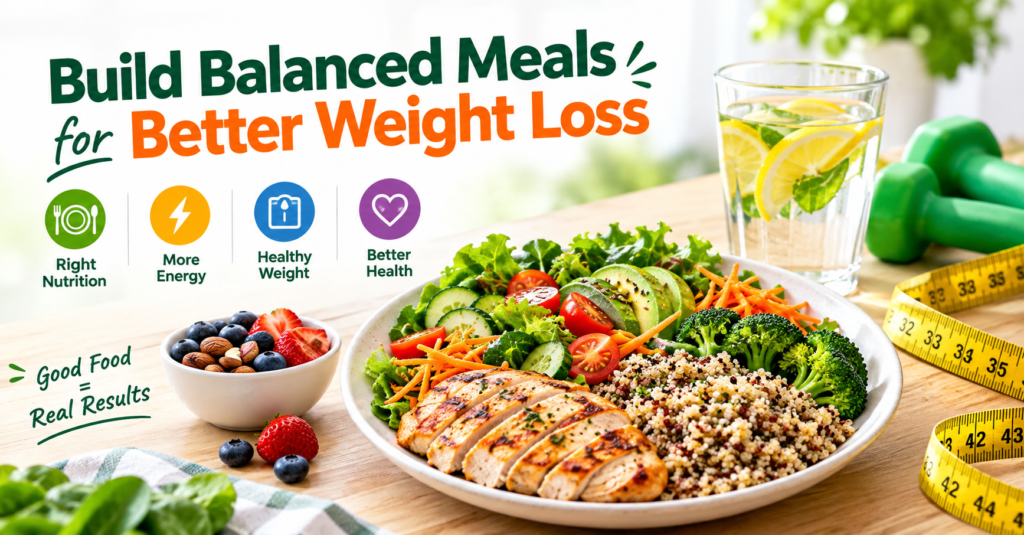
Fill Your Plate with Vegetables
Vegetables are an important part of a healthy diet because they provide fibre, vitamins and minerals while helping meals feel more filling. Try to include a generous portion of vegetables with lunch and dinner.
Frozen vegetables, tinned tomatoes and pre-prepared salad ingredients can make healthy eating more convenient. You do not need expensive “superfoods” to improve your diet. Ordinary vegetables such as carrots, cabbage, peas, broccoli and spinach are excellent choices.
Choose Satisfying Protein Sources
Protein helps support muscle maintenance and can make meals more satisfying. Include foods such as eggs, fish, chicken, beans, lentils, tofu, yoghurt or other suitable protein sources.
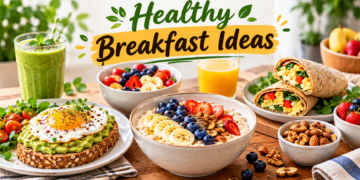
For example, a breakfast of plain yoghurt with fruit and oats, or eggs with wholemeal toast, may keep you satisfied longer than a breakfast based mainly on sugary foods. The best protein choice is one you enjoy and can include regularly.
Prefer Wholegrain Carbohydrates
Carbohydrates are not automatically responsible for weight gain. Foods such as oats, potatoes, brown rice, wholewheat pasta and wholemeal bread can provide energy and fibre as part of a balanced diet.
Instead of removing carbohydrates completely, consider the portion and what you eat alongside them. A baked potato with beans and vegetables can be a nutritious, satisfying meal.
Healthy Foods to Include in Your Daily Diet
A practical healthy diet to lose weight should include a variety of foods rather than focusing on one special ingredient. Fruit, vegetables, wholegrains, protein-rich foods and dairy or suitable alternatives can all contribute to balanced meals.
Fruit can be a convenient snack or a simple addition to breakfast. Choose whole fruit regularly, as it provides fibre and can be more satisfying than drinking fruit juice.
Healthy fats also have a place in your diet. Foods such as nuts, seeds, olive oil and avocado contain useful nutrients, although portions still matter because fats are energy-dense.
Drinking water regularly can help you stay hydrated. If you usually drink sugary drinks, replacing some of them with water or unsweetened drinks may be a useful change.
Portion Control Without Feeling Deprived
Portion control is one of the most practical ways to support weight loss. Even nutritious foods can contribute more energy than you need if portions are consistently large.
Try serving meals on a normal-sized plate and paying attention to how satisfied you feel. Eating slowly can also help you recognise when you have had enough.
You do not need to weigh every ingredient or count every calorie. Some people find calorie tracking useful, while others prefer using balanced portions and consistent meal routines. Choose the approach that feels manageable rather than stressful.
Make Healthy Eating Work with UK Lifestyle
Plan Simple Meals
Planning a few meals before shopping can reduce the temptation to rely on takeaway food when you are tired or busy. Keep convenient ingredients available, such as eggs, frozen vegetables, beans, wholemeal bread and tinned fish.
A simple meal might be grilled chicken or lentils with vegetables and rice. Another option could be a jacket potato with beans and a side salad. Healthy eating does not need to involve complicated recipes.
Make Better Choices When Eating Out
You can still enjoy restaurants, cafés and takeaways while working towards your weight-loss goals. Consider choosing a meal with vegetables and a protein source, and be mindful of portions.
If you enjoy fish and chips, for example, you do not necessarily need to avoid it forever. You might choose a smaller portion, add vegetables where available or balance it with lighter meals on other days.
Keep Enjoyable Foods in Your Diet
A sustainable diet allows room for foods you enjoy. Completely banning chocolate, biscuits or other treats can make healthy eating feel unnecessarily restrictive.
Instead, enjoy these foods in moderation and focus on your overall eating pattern. One meal or snack does not determine your progress.
Common Mistakes to Avoid
Skipping Meals to Lose Weight
Skipping meals may leave you very hungry later, making it harder to manage portions or avoid impulsive eating. A regular meal routine can help some people maintain more consistent eating habits.
Relying on Detoxes or Extreme Diets
Detox drinks, crash diets and extreme restrictions are not necessary for healthy weight loss. They can be difficult to maintain and may leave you lacking important nutrients.
A balanced diet with gradual changes is generally a more practical approach than searching for a quick fix.
Expecting Fast Results
Weight loss does not always happen at the same rate. Changes in water retention, activity, appetite and daily routines can affect your weight from week to week.
Focus on habits you can maintain rather than judging success by a single weigh-in. If you have concerns about your weight or nutrition, a GP or registered dietitian can provide personalised guidance.
How to Maintain Weight Loss Long Term
The best healthy diet to lose weight is one you can continue after reaching your goal. Once you begin making progress, keep the habits that work for you rather than returning to an entirely different way of eating.
Regular physical activity, adequate sleep and a consistent meal routine can support your overall health. Walking, cycling, swimming or other enjoyable activities can be useful additions to a balanced diet.
Remember that weight management is not about perfection. If you have an occasional takeaway or a day when your routine changes, return to your usual habits without feeling that you have failed.
Conclusion
A healthy diet to lose weight is about balance, consistency and realistic choices. Include plenty of vegetables, choose satisfying protein sources, enjoy wholegrain carbohydrates and pay attention to portions without making food unnecessarily complicated.
For people in the UK, healthy eating can fit around work, family meals, social occasions and favourite foods. Start with a few changes you can maintain, and focus on building habits that support your health for the long term.
FAQs
What is the best healthy diet to lose weight?
The best diet is one that provides balanced nutrition while helping you manage your overall energy intake. A varied diet containing vegetables, fruit, protein-rich foods, wholegrains and healthier fats can support gradual, sustainable weight loss.
Can I eat carbohydrates and still lose weight?
Yes. Carbohydrates such as oats, potatoes, rice and wholemeal bread can be part of a healthy diet to lose weight. The overall amount you eat, portion sizes and the balance of your meals matter more than removing carbohydrates completely.
What should I eat for breakfast when trying to lose weight?
Choose a breakfast that combines protein and fibre, such as plain yoghurt with oats and fruit, eggs with wholemeal toast, or porridge with milk and fruit. A satisfying breakfast may help you manage hunger during the morning.
Are fruit and vegetables good for weight loss?
Yes. Fruit and vegetables provide fibre, vitamins and minerals and can help make meals more filling. Include a variety of vegetables and enjoy whole fruit regularly as part of a balanced eating pattern.
How much water should I drink to lose weight?
Water is a good choice for staying hydrated, but drinking excessive amounts does not directly cause weight loss. Replacing sugary drinks with water may help reduce your overall energy intake.
Do I need to count calories to lose weight?
Not necessarily. Some people find calorie tracking useful, while others prefer managing portions and building balanced meals. The best method is one that helps you make consistent choices without becoming stressful or overly restrictive.
For more updates visit: HEALTH BLOOM









Discussion about this post