











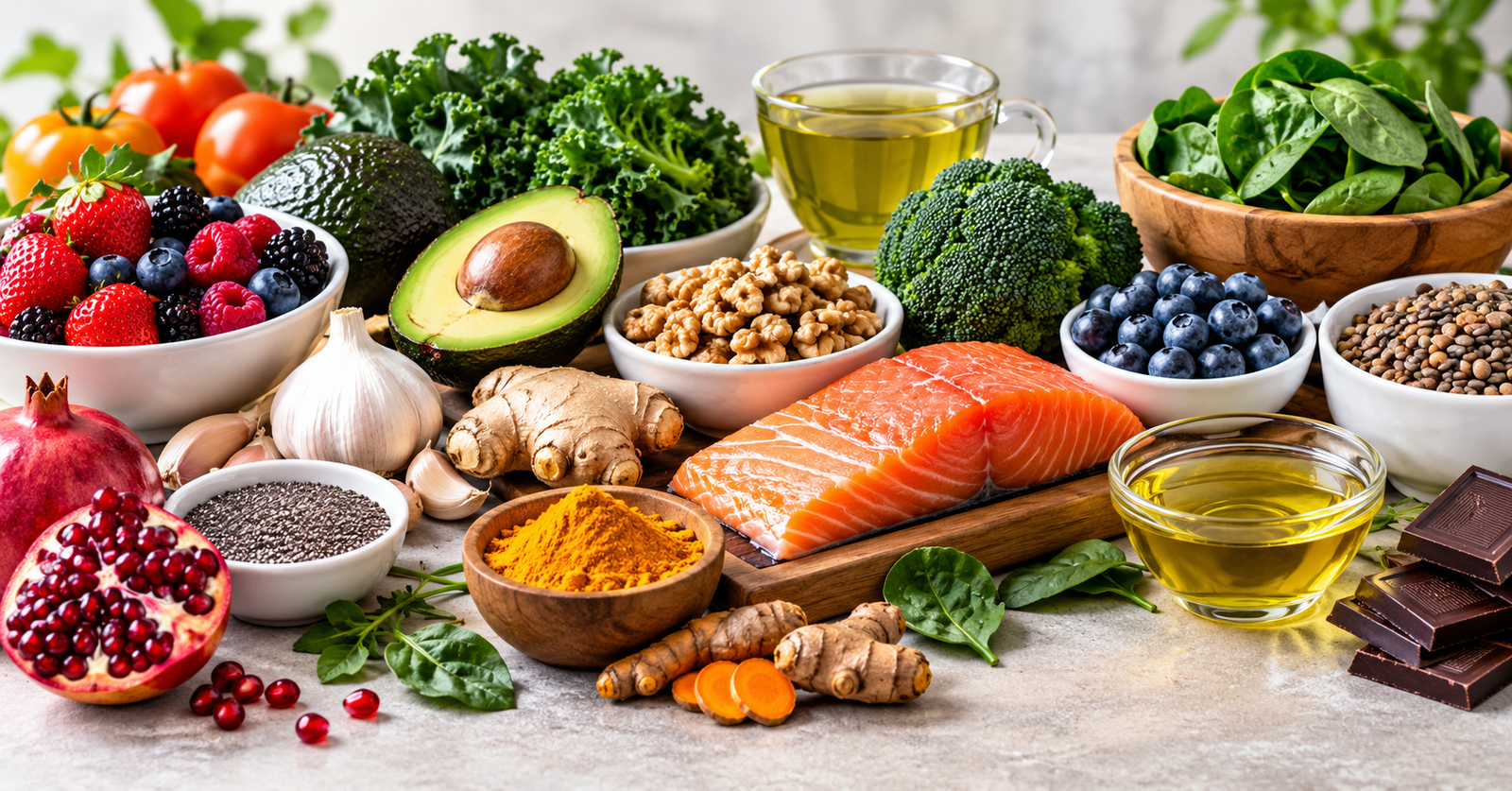
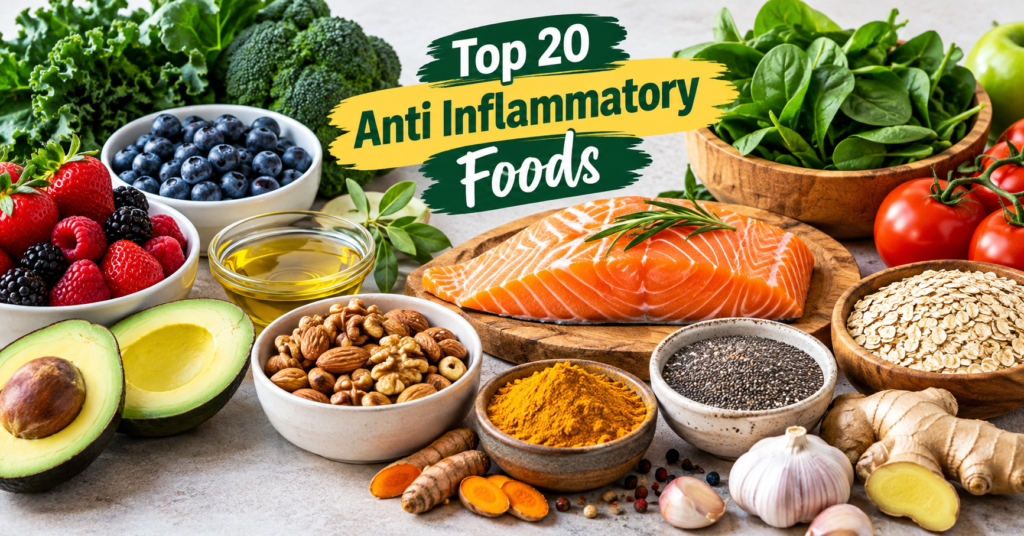
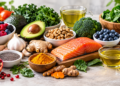
What you eat can affect your overall health. Some foods contain nutrients that may help the body handle inflammation. For this reason, many people look for the top 20 anti inflammatory foods when they want to eat better.
Inflammation is a normal body process. It helps the body respond to injury and illness. However, long-term inflammation may be linked to health problems.
The good news is that healthy food choices are easy to add to daily meals. You do not need a strict diet. Instead, focus on eating more whole foods and a wide range of nutrients.
Top 20 Anti Inflammatory Foods
1. Berries
Berries are a simple and tasty choice. Blueberries, strawberries, raspberries, and blackberries contain antioxidants and other plant compounds.
For example, you can add berries to porridge or yoghurt. You can also eat them as a snack. Both fresh and frozen berries can work well.
2. Oily Fish
Oily fish is rich in omega-3 fats. Salmon, sardines, mackerel, and trout are common choices.
These healthy fats play an important role in the body. They may also help support a healthy inflammatory response. In addition, oily fish gives you protein and other key nutrients.
3. Olive Oil
Extra virgin olive oil is a popular healthy fat. It is also a key part of the Mediterranean diet.
Olive oil contains monounsaturated fats and natural plant compounds. You can use it in salad dressings or add a small amount to cooked vegetables. It also works well in everyday cooking.
4. Leafy Green Vegetables
Leafy greens are packed with useful nutrients. Spinach, kale, cabbage, and rocket are good examples.
They provide fibre, vitamins, and minerals. In addition, they contain natural plant compounds. You can add leafy greens to salads, soups, omelettes, and sandwiches.
5. Broccoli
Broccoli is another healthy vegetable. It provides fibre, vitamins, minerals, and plant compounds.
You can steam broccoli for a quick side dish. Alternatively, roast it with other vegetables. It also tastes good in soups, pasta, and stir-fries.
6. Avocado
Avocado contains healthy fats and fibre. It also provides several vitamins and minerals.
You can enjoy avocado in many ways. For example, spread it on wholegrain toast. You can also add it to salads or serve it with eggs and vegetables.
7. Walnuts
Walnuts contain healthy fats, fibre, protein, and plant-based omega-3 fats. They are also an easy food to keep at home.
A small handful can make a useful snack. You can also add walnuts to porridge or yoghurt. However, choose unsalted nuts when possible.
8. Almonds
Almonds provide healthy fats, fibre, protein, and vitamin E. They also contain magnesium and other useful nutrients.
As a result, almonds can be part of a balanced diet. You can eat a small handful between meals. You can also add chopped almonds to yoghurt or porridge.
9. Tomatoes
Tomatoes are rich in several useful nutrients. They also contain lycopene, a natural plant compound with antioxidant properties.
Fresh tomatoes are great in salads and sandwiches. Meanwhile, cooked tomatoes work well in soups and sauces. Therefore, they are easy to include in many meals.
10. Green Tea
Green tea contains natural compounds called polyphenols. It also contains EGCG, which has been studied for its antioxidant properties.
Unsweetened green tea can be a good drink choice. However, it contains caffeine. So, some people may prefer to drink it earlier in the day.
11. Turmeric
Turmeric is a bright yellow spice. It is common in many South Asian dishes.
Turmeric contains curcumin. This natural compound has been studied for its possible role in inflammation. You can add turmeric to curries, soups, rice, and vegetables.
12. Ginger
Ginger is another useful spice. It contains natural compounds with antioxidant properties.
You can use fresh ginger in many dishes. For example, add it to soups, curries, and stir-fries. You can also use it in homemade drinks.
13. Garlic
Garlic adds strong flavour to food. It also contains natural sulphur compounds.
Moreover, garlic can help you add flavour without using too much salt. You can add it to soups, sauces, stews, vegetables, and roasted foods.
14. Fresh Herbs
Fresh herbs can make healthy food taste better. Parsley, basil, mint, and coriander are easy choices.
They can also add natural plant compounds to your meals. For example, use fresh herbs in salads, soups, sauces, and cooked vegetables.
15. Whole Grains
Whole grains are a good source of fibre. Oats, brown rice, barley, quinoa, and wholegrain bread are common examples.
Fibre is important for good digestion. It may also support a healthy gut. Therefore, choosing whole grains more often can be a useful diet change.
16. Beans and Lentils
Beans and lentils provide fibre and plant-based protein. They also contain several vitamins and minerals.
They are very easy to use. You can add them to soups, curries, salads, and stews. In addition, they can be an affordable source of healthy plant foods.
17. Cherries
Cherries contain antioxidants and other plant compounds. They can be a tasty addition to a balanced diet.
You can eat fresh cherries as a snack. Frozen cherries can also work well. For example, add them to yoghurt, porridge, or smoothies.
18. Oranges
Oranges are a good source of vitamin C. They also provide fibre and natural plant compounds.
Eating the whole fruit is usually a better choice than drinking juice. This is because whole fruit contains more fibre. Other citrus fruits can also add variety to your diet.
19. Dark Chocolate
Dark chocolate contains cocoa flavonoids. These are natural plant compounds.
However, chocolate can also contain added sugar and a lot of energy. Therefore, portion size matters. Choose dark chocolate with a high cocoa content and enjoy a small amount.
20. Fermented Foods
Fermented foods include live yoghurt, kefir, kimchi, and sauerkraut. Some fermented foods contain helpful microorganisms.
These foods may support a healthy gut. However, products can vary. Some can contain a lot of sugar or salt. Therefore, check the food label when choosing them.
How These Foods May Help
The top 20 anti inflammatory foods can provide many useful nutrients. These include fibre, healthy fats, vitamins, minerals, and plant compounds.
However, one food cannot provide everything your body needs. For this reason, variety is important.
Try to eat different vegetables, fruits, whole grains, beans, nuts, and healthy fats. Also, include suitable sources of protein. This gives your diet a better balance.
Easy Ways to Add These Foods
You can make small changes to your normal meals. For breakfast, try oats with berries and walnuts. You can also add fruit to natural yoghurt.
For lunch, add leafy greens, tomatoes, beans, or avocado. A simple salad can include several foods from this list.
At dinner, try oily fish with vegetables and whole grains. Also, use garlic, ginger, and turmeric for extra flavour.
Most importantly, keep your meals varied. You do not need to eat all 20 foods every day. Instead, choose different healthy foods during the week.
Foods to Eat Less Often
Adding healthy foods is only one part of a good diet. It is also useful to reduce foods that are high in added sugar, salt, or saturated fat.
Highly processed foods are often high in these ingredients. Examples include some sugary drinks, sweets, snacks, and fast foods.
However, you do not need to avoid these foods completely. Instead, eat them less often. Then, make whole and nutritious foods the main part of your diet.
Why Variety Matters
Every healthy food offers different nutrients. Berries provide different nutrients from oily fish. Likewise, leafy greens offer different benefits from nuts.
Therefore, eating a mix of foods is a better approach. It can also make meals more enjoyable.
You can change your choices each day. For example, eat berries one morning and an orange the next. At dinner, choose fish on one day and beans on another.
Conclusion
The top 20 anti inflammatory foods include berries, oily fish, olive oil, leafy greens, broccoli, avocado, walnuts, almonds, tomatoes, green tea, turmeric, ginger, garlic, fresh herbs, whole grains, beans, cherries, oranges, dark chocolate, and fermented foods.
These foods provide many useful nutrients. They can also add more variety to your meals.
However, no single food can solve every health problem. A balanced diet is much more important. Therefore, focus on regular healthy choices rather than one special food.
By eating more whole foods and keeping your meals varied, you can build a simple and balanced eating pattern that supports overall health.
FAQs
What are the top 20 anti inflammatory foods?
The top 20 anti inflammatory foods include berries, oily fish, olive oil, leafy greens, broccoli, avocado, walnuts, almonds, tomatoes, green tea, turmeric, ginger, garlic, fresh herbs, whole grains, beans, cherries, oranges, dark chocolate, and fermented foods.
What is the best anti inflammatory food?
There is no single best anti inflammatory food. Each food offers different nutrients. Therefore, eating a variety of healthy foods is a better choice.
Are berries good for inflammation?
Berries contain antioxidants and natural plant compounds. These compounds may support a healthy inflammatory response. Therefore, berries can be part of a balanced diet.
Is turmeric an anti inflammatory food?
Turmeric contains curcumin. This natural compound has been studied for its possible effects on inflammation. You can add turmeric to curries, soups, rice, and vegetables.
Is ginger good for inflammation?
Ginger contains natural plant compounds. Some of these compounds have antioxidant properties. As a result, ginger can be a useful part of a varied diet.
Are eggs anti inflammatory?
Eggs provide protein, vitamins, and minerals. However, they are not usually listed as one of the main anti inflammatory foods. Still, they can fit into a balanced diet.
For more updates visit: HEALTH BLOOM










Discussion about this post