













Good sleep is important for your body and mind. It can help you feel more focused, refreshed, and ready for the day. Yet many people struggle to fall asleep, wake during the night, or feel tired after getting enough time in bed.
If you are wondering how to sleep better, small changes can make a meaningful difference. Your sleep environment, daily routine, evening habits, and sleep schedule can all affect how well you rest. The goal is not to create a perfect routine overnight. Instead, focus on simple habits that you can maintain consistently.
Why Good Sleep Matters
Sleep gives your body time to recover and supports normal physical and mental functions. During sleep, your body carries out important processes that help support memory, learning, mood, and general wellbeing.
Poor sleep can make everyday activities feel harder. You may find it difficult to concentrate, feel less energetic, or become more irritable. Regularly getting enough quality sleep can help you feel more alert during the day and support a healthier routine.
For most adults, around seven to nine hours of sleep per night is generally recommended. However, sleep needs can vary from person to person.
Keep a Consistent Sleep Schedule

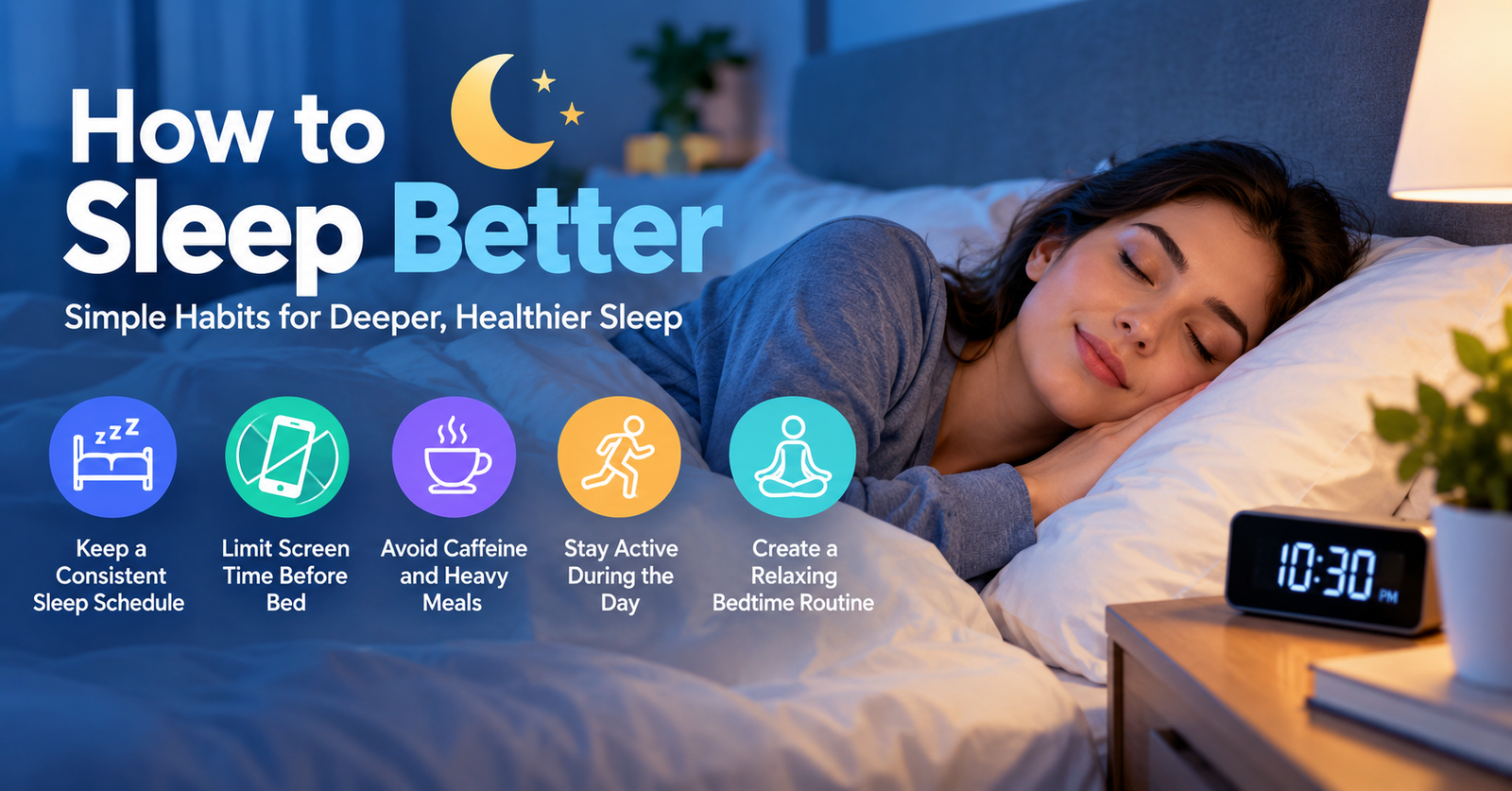
One of the most useful answers to how to sleep better is to keep your sleep and wake times consistent. Going to bed and waking up at roughly the same time each day can help your body maintain a regular sleep rhythm.
Try to follow a similar schedule on weekdays and weekends. Large changes between weekday and weekend sleep times can make it harder to settle into your normal routine.
If you currently go to bed at very different times, change your schedule gradually. A consistent routine is usually easier to maintain than making a sudden, dramatic change.
Create a Relaxing Bedtime Routine
Your brain needs time to move from daytime activity into a calmer state. A relaxing bedtime routine can help signal that it is time to prepare for sleep.
You might spend the final part of your evening reading a book, listening to calm music, taking a warm shower, or doing gentle relaxation exercises. Choose activities that make you feel comfortable rather than mentally stimulated.
Try to make your routine predictable. Repeating the same calming activities before bed can help create a stronger connection between your evening routine and sleep.
Make Your Bedroom Comfortable
Your bedroom can have a major effect on sleep quality. A comfortable, quiet, dark, and reasonably cool environment may make it easier to sleep.
Check whether your mattress and pillow provide comfortable support. If outside noise regularly wakes you, reducing the noise or using a consistent background sound may help. Blackout curtains or an eye mask can also be useful if light is a problem.
Keep the bedroom mainly associated with rest. A calm and uncluttered environment can make bedtime feel more relaxing.
Reduce Screen Time Before Bed
Phones, tablets, computers, and televisions can make it harder to wind down, especially when the content is exciting, stressful, or mentally demanding. Bright light from screens may also affect the body’s natural sleep timing.
If possible, give yourself some screen-free time before going to bed. You do not have to completely remove technology from your evening. Even reducing stimulating screen use and choosing quieter activities can help create a calmer transition to sleep.
Keep your phone away from the bed if notifications or the temptation to check messages regularly keeps you awake.
Be Careful With Caffeine
Caffeine can stay in the body for several hours and may affect sleep even when you do not feel particularly stimulated by it. Coffee is an obvious source, but caffeine is also found in tea, energy drinks, cola, chocolate, and some medicines.
If you have trouble sleeping, consider reducing caffeine later in the day. People can respond differently to caffeine, so pay attention to whether afternoon or evening consumption affects your sleep.
Changing the timing of caffeine may be more practical than giving it up completely.
Exercise During the Day
Regular physical activity can support better sleep and general health. Walking, cycling, swimming, sports, or other enjoyable activities can help you stay active during the day.
Try to avoid intense exercise immediately before bedtime if you notice that it makes you feel more alert. Instead, give your body enough time to relax before going to sleep.
You do not need an extreme workout routine to support healthy sleep. Consistent daily movement can be a useful part of a balanced lifestyle.
Watch Your Evening Meals
Eating a very large meal close to bedtime can make some people uncomfortable and may interfere with sleep. Spicy or rich foods may also cause problems for people who experience indigestion or reflux.
Try to give yourself enough time between a heavy evening meal and bedtime. If you are hungry later, a small and suitable snack may be more comfortable than going to bed feeling very hungry.
Your personal response matters, so notice which foods and meal timings make your sleep better or worse.
Manage Stress Before Bed
Stress and an active mind can make falling asleep difficult. When you are thinking about school, work, relationships, money, or tomorrow’s responsibilities, your mind may continue working when your body is ready to rest.
A simple wind-down routine can help. Writing down important tasks for the next day may help you stop mentally planning at bedtime. Slow breathing, quiet reading, mindfulness, or another relaxing activity may also help reduce mental stimulation.
If worries regularly keep you awake, it can be useful to discuss them with someone you trust or a healthcare professional.
What to Do When You Cannot Sleep
Trying too hard to fall asleep can sometimes make you more frustrated and alert. If you have been awake for a while and feel increasingly restless, consider getting out of bed and doing something quiet in low light.
Return to bed when you feel sleepy again. The aim is to keep your bed connected with sleep rather than long periods of worrying or watching the clock.
Avoid repeatedly checking the time if doing so increases your stress. A calm approach can make it easier to return to sleep.
Avoid Relying on Long Naps
Naps can be useful when you are tired, but long or late naps may make it harder to sleep at night. If you regularly struggle with nighttime sleep, consider whether daytime naps are affecting your sleep schedule.
A shorter nap earlier in the day may be less disruptive than sleeping for a long period late in the afternoon. However, individual sleep needs differ, so pay attention to how naps affect your nighttime rest.
Build Better Sleep Habits Gradually
Learning how to sleep better is not about changing everything at once. Start with one or two habits that feel realistic. For example, you could choose a consistent wake-up time and create a relaxing routine before bed.
Once those habits become easier, you can make additional changes. Small improvements that you follow regularly are often more useful than a strict routine that becomes difficult to maintain.
Give your body time to adjust. Better sleep habits can take time to become natural.
When to Talk to a Doctor About Sleep
Occasional difficulty sleeping is common, but persistent sleep problems deserve attention. If you regularly have trouble falling asleep, staying asleep, waking too early, or feeling excessively tired during the day, consider speaking with a healthcare professional.
Loud snoring, repeated breathing interruptions during sleep, unusual movements during sleep, or severe daytime sleepiness can also be signs that professional advice may be appropriate.
A doctor can help identify possible causes and recommend suitable treatment. Avoid starting sleep medicines or supplements without appropriate medical advice, especially if you take other medicines or have an existing health condition.
Conclusion
Knowing how to sleep better often comes down to consistent, realistic habits. Keeping a regular sleep schedule, creating a relaxing bedtime routine, limiting stimulating activities before bed, staying active, and making your bedroom comfortable can all support better sleep.
There is no single routine that works perfectly for everyone. Pay attention to your own sleep patterns and make gradual changes that fit your lifestyle. If sleep problems continue or significantly affect your daily life, speaking with a healthcare professional is an important next step.
FAQs
What is the best way to sleep better?
A consistent sleep schedule is a good starting point. Going to bed and waking up at similar times, creating a relaxing bedtime routine, reducing evening stimulation, and keeping your bedroom comfortable can all support better sleep.
How many hours of sleep should adults get?
Most adults generally need around seven to nine hours of sleep each night. Individual needs can vary, so the quality of your sleep and how you feel during the day are also important considerations.
How can I fall asleep faster?
A calm bedtime routine may make falling asleep easier. Reduce stimulating activities before bed, keep your bedroom comfortable, and use relaxing activities such as quiet reading or gentle breathing exercises.
Does using your phone before bed affect sleep?
Phone use can make it harder to wind down, particularly when you are viewing stimulating content or receiving frequent notifications. Reducing screen use before bed may help create a calmer transition to sleep.
Does exercise help you sleep better?
Regular physical activity can support healthy sleep for many people. Daytime exercise such as walking, cycling, swimming, or sports can be beneficial, although intense exercise close to bedtime may make some people feel more alert.
Can caffeine make it harder to sleep?
Yes. Caffeine can remain active in the body for several hours and may interfere with sleep. If you have difficulty sleeping, reducing caffeine later in the day may be helpful.
For more updates visit: HEALTH BLOOM










Discussion about this post